
Daredevil Couple Who Climbed Empire State Building Charged With Burglary, Criminal Mischief
A couple accused of climbing to the top of the Empire State Building is facing burglary and criminal mischief charges after the highly publicized incident, according to ABC7 New York. Prosecutors allege the pair unlawfully accessed restricted areas of the iconic Manhattan landmark before making the unauthorized climb, while the pair’s lawyer has said the pair has been “overcharged”. The case has drawn significant public attention while raising questions about how New York law applies to allegations involving unlawful entry and property damage. Criminal charges involving burglary and related offenses can carry serious legal consequences that may affect a person’s future long after a case concludes.
Anyone accused of burglary or another criminal offense deserves experienced legal representation from the beginning of the case. At Petrus Law, we understand how stressful criminal allegations become and remain committed to protecting our clients’ constitutional rights throughout every stage of the legal process. Our team carefully reviews the evidence, examines law enforcement procedures, and develops defense strategies tailored to each client’s circumstances. Call us at (646) 733-4711 today to schedule a confidential consultation and learn how we can help protect your future.

How a Manhattan Burglary Lawyer Can Help After Facing Charges
At Petrus Law, our Manhattan burglary lawyer team understands that every criminal case deserves a careful investigation and a defense strategy based on the specific facts involved. We thoroughly review police reports, witness statements, surveillance footage, and other available evidence while identifying weaknesses in the prosecution’s case. Our attorneys explain every stage of the criminal process, answer important questions, and help our clients make informed decisions throughout their cases. We remain dedicated to protecting our clients’ rights while pursuing the strongest defense available under New York law.
Burglary charges often involve complex legal issues concerning intent, evidence, and the circumstances surrounding the alleged offense. We carefully examine whether law enforcement followed proper procedures, evaluate the reliability of the available evidence, and challenge unsupported allegations whenever appropriate. Additionally, we negotiate with prosecutors when beneficial while remaining fully prepared to defend our clients in court if necessary. Our goal is to provide experienced legal guidance while protecting our clients’ interests from beginning to end.
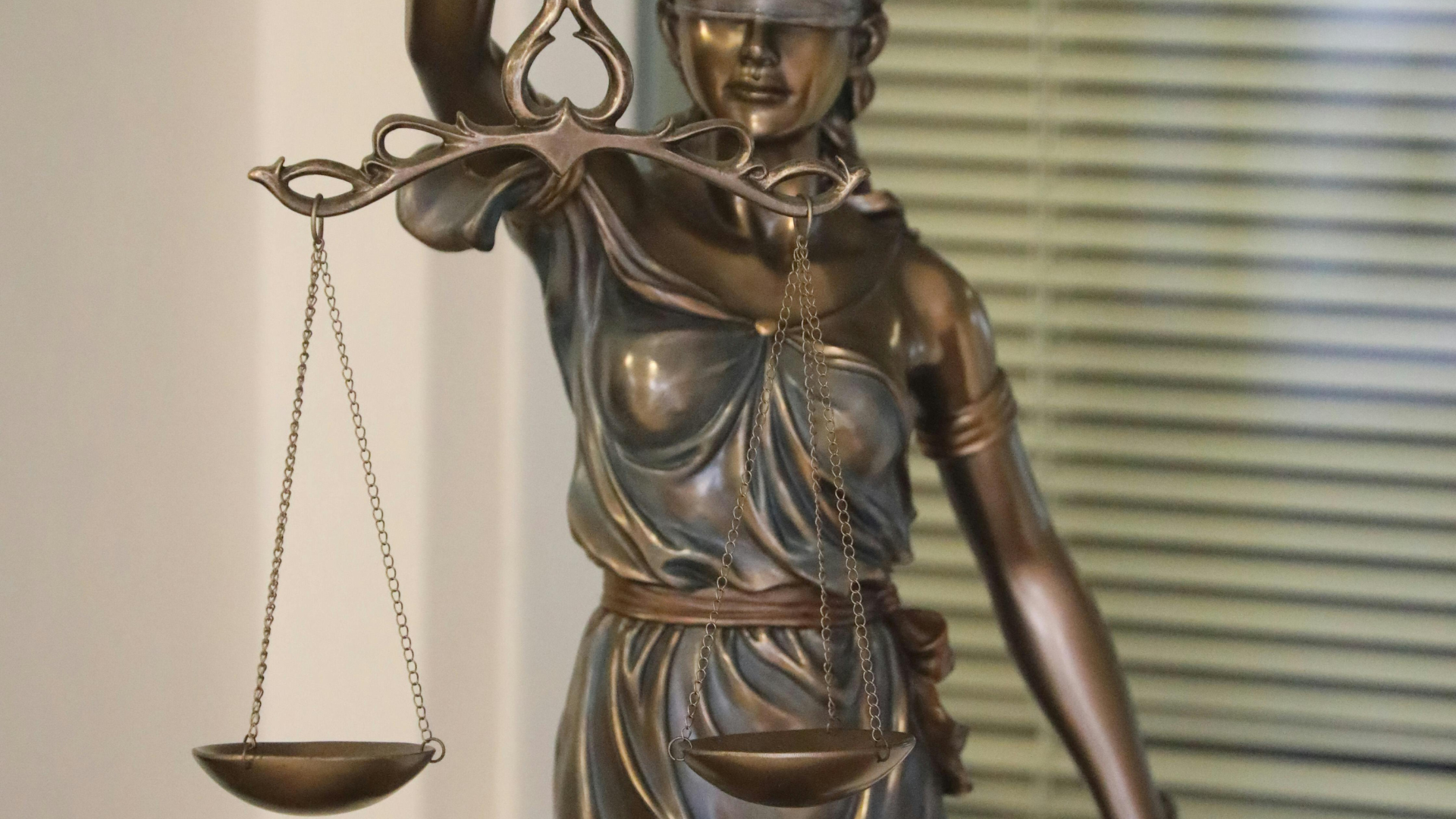
The Importance of Protecting Your Rights During a Manhattan Burglary Investigation
A burglary investigation can move quickly as law enforcement gathers evidence, interviews witnesses, and evaluates the circumstances surrounding an alleged offense. Every decision made during the early stages of an investigation may affect the direction of a criminal case. Understanding your constitutional rights helps you make informed decisions while avoiding unnecessary complications. Knowing how investigations typically proceed also provides greater confidence during an otherwise stressful situation.
Understanding Your Constitutional Rights
Every person accused of a crime has important constitutional protections throughout a criminal investigation. These rights help ensure fair treatment while preventing unlawful government action during the investigative process. Understanding these protections allows individuals to respond thoughtfully when interacting with law enforcement. Exercising these rights should never be interpreted as an admission of guilt.
The Right to Remain Silent
Individuals generally have the right to decline answering investigative questions that could potentially be used against them in court. Statements made during an investigation may later become important evidence during criminal proceedings. Remaining respectful while exercising this right helps avoid misunderstandings. Careful communication often protects important legal interests.
Avoiding Unnecessary Statements
Many people attempt to explain their actions before fully understanding the allegations against them. Incomplete information or misunderstood statements may unintentionally create additional legal challenges during an investigation. Waiting until the facts become clearer often allows for more informed decision-making. Thoughtful communication remains important throughout the process.
The Right to Legal Representation
Individuals under criminal investigation generally have the right to seek legal representation before answering investigative questions. Understanding available legal options early helps individuals make informed decisions while protecting their rights. Early guidance may also help prevent avoidable mistakes during the investigation. Exercising this right remains an important part of the criminal justice process.
Requesting an Attorney
Clearly requesting legal representation informs investigators that an individual wishes to exercise this constitutional right. Once requested, important legal protections generally apply during future questioning. Remaining respectful while making this request helps maintain clear communication. Understanding this process supports informed decision-making.
Understanding Police Interviews
Law enforcement officers frequently conduct interviews to gather information regarding an alleged burglary offense. Investigators may speak with witnesses, victims, and individuals believed to possess relevant information. Understanding how these interviews typically occur helps individuals prepare appropriately. Every interview may influence the overall direction of the investigation.
Voluntary Interviews
Some investigative interviews occur voluntarily before formal criminal charges are filed. Individuals should understand the purpose of the interview before deciding whether to participate. Knowing whether participation remains voluntary may affect important decisions throughout the investigation. Clear communication helps avoid unnecessary confusion.
Clarifying the Purpose of the Interview
Understanding why investigators wish to conduct an interview helps individuals better evaluate the situation. Officers may seek factual information, clarify timelines, or verify statements obtained from other witnesses. Knowing the interview’s purpose provides greater context before responding. Careful consideration supports informed decision-making.
Preserving Potential Evidence
Evidence often becomes one of the most important aspects of any burglary investigation. Physical evidence, surveillance recordings, electronic communications, and witness testimony may all influence the outcome of a criminal case. Preserving relevant information helps ensure a complete and accurate evaluation of the facts. Early organization also reduces the likelihood that valuable evidence will disappear.
Surveillance Footage
Many Manhattan businesses, residential buildings, and public areas use surveillance cameras that may capture important events. These recordings sometimes provide valuable context regarding the circumstances surrounding an investigation. Some surveillance systems automatically overwrite recordings after a limited period. Prompt preservation helps protect potentially important evidence.
Electronic Communications
Text messages, emails, social media communications, and other electronic records sometimes become relevant during criminal investigations. Preserving these materials helps maintain an accurate record of communications when appropriate. Organized electronic records may assist in evaluating disputed facts. Careful documentation supports a complete review of available evidence.
Understanding Search and Seizure Issues
Searches conducted during criminal investigations remain subject to constitutional protections under both federal and state law. Understanding these legal principles helps individuals recognize the importance of proper investigative procedures. Questions regarding search authority sometimes become significant legal issues later in a case. Careful review of investigative actions helps evaluate compliance with applicable legal standards.
Search Warrants
Law enforcement officers may obtain search warrants authorizing the search of specified locations for particular evidence. Search warrants generally identify the areas to be searched and the items sought during the investigation. Understanding the scope of a warrant helps clarify the authority granted by the court. Every investigation depends on its specific facts.
Warrant Exceptions
Certain legal circumstances may permit searches without a traditional warrant under established constitutional principles. Whether a particular exception applies depends upon the facts surrounding each investigation. Courts carefully evaluate these issues when necessary. Understanding that exceptions exist helps provide context for different investigative situations.
Protecting Digital Information
Modern burglary investigations frequently involve digital evidence collected from electronic devices and online communications. Mobile phones, computers, cloud storage accounts, and social media platforms may contain information investigators seek to review. Understanding the role of digital evidence helps individuals recognize its potential importance. Careful handling of electronic information supports a more organized response during an investigation.
Mobile Devices
Mobile phones often contain messages, photographs, location information, and other digital records that may become relevant during a criminal investigation. These devices frequently store extensive personal information beyond the specific allegations being investigated. Understanding the significance of digital evidence helps individuals appreciate its role in modern criminal cases. Every situation depends on its unique facts.
Social Media Activity
Social media posts, photographs, comments, and private messages sometimes become part of criminal investigations. Publicly available content may be reviewed alongside other available evidence. Understanding how online activity may affect a case encourages thoughtful decision-making during an active investigation. Careful consideration remains important throughout the process.
Preparing for the Next Steps
Criminal investigations often continue long before formal court proceedings begin. Understanding the general investigative process helps individuals prepare for possible developments while protecting their legal rights. Every case follows its own timeline depending on the available evidence and investigative findings. Remaining informed supports more confident decision-making throughout the process.
Staying Organized
Maintaining organized records of important documents, communications, and court-related information helps simplify future case preparation. Accurate organization reduces unnecessary confusion while making important information easier to locate when needed. Careful recordkeeping supports more efficient communication throughout the legal process. Good organization benefits every stage of a criminal case.
Avoiding Common Mistakes
Individuals under investigation often benefit from avoiding actions that could unnecessarily complicate their legal situation. Remaining respectful during interactions, preserving relevant information, and making informed decisions help reduce avoidable problems. Every case presents unique circumstances requiring careful consideration. Thoughtful actions early in the process may influence later stages of the investigation.

How Plea Negotiations Work in Manhattan Burglary Cases
Plea negotiations play an important role in many Manhattan burglary cases before a trial ever begins. These discussions allow prosecutors and defense attorneys to evaluate the evidence, legal issues, and circumstances surrounding the alleged offense. Every case differs, and plea negotiations depend on the specific facts, available evidence, and applicable New York law. Understanding this process helps defendants make informed decisions as their cases move through the criminal justice system.
Understanding the Purpose of Plea Negotiations
Plea negotiations provide an opportunity for both sides to discuss possible resolutions before trial. These discussions may address the charges, available evidence, potential penalties, and other factors affecting the case. Negotiations do not guarantee that an agreement will be reached in every situation. Each case requires an individualized evaluation based on its unique facts.
When Negotiations May Begin
Plea discussions may begin shortly after criminal charges are filed or later as additional evidence becomes available. Prosecutors and defense attorneys often continue evaluating the strengths and weaknesses of the case throughout the legal process. New information sometimes changes the direction of negotiations. Every stage of the case may create new opportunities for discussion.
Negotiations Can Continue Throughout the Case
Plea negotiations are not always limited to a single conversation between the parties. Discussions may continue after court appearances, evidence review, or witness interviews reveal additional information. Ongoing communication allows both sides to evaluate developments as the case progresses. Continued negotiations remain common throughout many criminal proceedings.
Reviewing the Evidence Before Negotiating
The available evidence often influences how plea negotiations develop in a burglary case. Both parties typically evaluate police reports, witness statements, surveillance footage, forensic evidence, and other investigative materials before discussing possible resolutions. A thorough review helps identify strengths, weaknesses, and disputed issues. Careful preparation supports more informed negotiations.
Examining Police Reports
Police reports frequently summarize the investigation, witness interviews, evidence collected, and the circumstances surrounding the alleged offense. Reviewing these reports helps determine whether additional investigation may be necessary. Careful analysis may identify inconsistencies or unanswered questions affecting the case. Every detail deserves careful evaluation.
Reviewing Surveillance Footage
Surveillance recordings sometimes provide valuable information regarding the alleged incident. Video evidence may support, contradict, or clarify statements made by witnesses or investigators. Reviewing available footage helps establish a more complete understanding of the events. Careful analysis strengthens case preparation before negotiations begin.
Evaluating Witness Testimony
Witness testimony often becomes an important factor during plea discussions. Prosecutors and defense attorneys evaluate how witnesses may perform if the case proceeds to trial. Consistent, reliable testimony may strengthen one side’s position during negotiations. Careful review helps identify issues affecting credibility.
Identifying Conflicting Statements
Witnesses do not always remember events in exactly the same manner. Differences between witness accounts sometimes require additional investigation before negotiations continue. Reviewing these inconsistencies helps both sides better understand the available evidence. Every factual difference deserves careful consideration.
Factors That May Influence Negotiations
Many different factors may affect how plea negotiations proceed in a Manhattan burglary case. Prosecutors and defense attorneys consider both the available evidence and the specific circumstances surrounding the alleged offense. No single factor automatically determines the outcome of negotiations. Every case receives an individual evaluation.
The Strength of the Evidence
Cases supported by extensive evidence may be evaluated differently than cases involving disputed facts or limited documentation. Prosecutors generally consider whether the available evidence supports each required legal element. Defense attorneys also evaluate whether weaknesses exist within the prosecution’s case. Careful analysis helps guide negotiation strategies.
The Seriousness of the Allegations
The nature of the alleged conduct may influence how prosecutors evaluate possible resolutions. Burglary allegations involving aggravating circumstances sometimes present different legal considerations than less serious cases. Reviewing the specific facts helps provide context during negotiations. Every allegation requires careful evaluation.
Criminal History
Prior criminal history may become one of several factors considered during plea discussions. Prosecutors often evaluate a defendant’s background alongside the facts of the current case. Previous convictions do not automatically determine the outcome of negotiations. Each situation depends upon its individual circumstances.
Personal Circumstances
Employment history, community involvement, educational background, and other personal circumstances sometimes become relevant during negotiations. These factors may help provide additional context regarding the individual involved in the case. Every person’s situation differs and deserves careful consideration. Individual circumstances often become part of broader case evaluations.
Possible Outcomes of Plea Negotiations
Plea negotiations may result in several different outcomes depending on the facts and legal issues involved. Some cases resolve through negotiated agreements, while others continue toward pretrial hearings or trial. Every decision requires careful evaluation before acceptance. Understanding the available possibilities helps defendants prepare for the process.
Charge Reductions
In some situations, plea negotiations may involve discussions regarding different or reduced criminal charges. Whether such discussions occur depends entirely upon the available evidence and the circumstances of the case. Every proposed resolution should be reviewed carefully before making a decision. Individual facts always influence available options.
Sentencing Recommendations
Some negotiated agreements may include recommendations regarding sentencing if a plea agreement is accepted by the court. These recommendations depend upon the charges, applicable law, and other factors affecting the case. Judges generally retain important responsibilities regarding sentencing decisions. Understanding this process helps clarify how negotiated resolutions work.
Court Review of Plea Agreements
Any negotiated agreement generally requires review during court proceedings before becoming final. Judges evaluate plea agreements according to applicable legal requirements and court procedures. This review helps ensure the defendant understands the rights involved and the consequences of the decision. Court approval remains an important part of the overall process.
Entering a Plea in Court
If a negotiated agreement is reached, the defendant generally appears before the court to formally enter the plea. The court may ask questions to confirm that the decision is made knowingly and voluntarily. These procedures help protect important legal rights. Every plea proceeding follows established legal requirements.
Understanding the Consequences
Individuals should fully understand the legal consequences of any plea agreement before making a final decision. Reviewing the terms carefully helps avoid misunderstandings regarding future obligations or court requirements. Informed decision-making remains important throughout the criminal justice process. Careful preparation supports thoughtful choices at every stage.
Preparing for Trial When Necessary
Not every Manhattan burglary case resolves through plea negotiations. If negotiations do not result in an agreement, the case may continue toward trial where both sides present evidence before the court. Thorough preparation remains important regardless of whether negotiations continue. Every stage of the process requires careful attention to the facts and applicable law.
Continuing Case Preparation
Evidence review, witness preparation, legal research, and procedural motions often continue while plea discussions remain ongoing. Preparing thoroughly ensures readiness if negotiations end without an agreement. Ongoing preparation also supports productive discussions throughout the case. Careful planning benefits every stage of the criminal defense process.
Remaining Flexible Throughout the Process
Criminal cases often develop as additional evidence becomes available or legal issues are resolved. Negotiation strategies may change as circumstances evolve throughout the proceedings. Remaining informed helps defendants understand each stage of the process more clearly. Careful evaluation supports thoughtful decisions from beginning to end.

How a Manhattan Criminal Defense Attorney Builds a Burglary Defense
Building a burglary defense requires a careful review of the facts, applicable law, and evidence gathered during the investigation. Every criminal case presents unique circumstances that require an individualized approach rather than a one-size-fits-all strategy. A thorough defense begins with understanding the prosecution’s allegations while identifying evidence that supports the accused person’s position. Careful preparation also helps ensure every available legal issue receives appropriate consideration.
Reviewing the Charges
Understanding the specific charges filed against a defendant provides the starting point for developing an effective defense strategy. Burglary charges in New York may vary depending on the allegations, the location involved, and other circumstances surrounding the case. Reviewing every charging document helps identify the legal elements prosecutors must establish beyond a reasonable doubt. Careful analysis also helps determine which issues deserve additional investigation.
Examining the Criminal Complaint
The criminal complaint generally outlines the allegations supporting the charges filed by prosecutors. Reviewing this document helps identify the factual claims and legal theories presented early in the case. Comparing these allegations with available evidence often reveals areas requiring closer examination. Every detail may become important during later proceedings.
Identifying Potential Weaknesses
Not every allegation contained within a criminal complaint is supported by reliable evidence. Careful review may reveal inconsistencies, missing information, or unsupported assumptions affecting the prosecution’s case. Identifying these issues early helps focus future investigation efforts. Thorough preparation strengthens the overall defense strategy.
Evaluating the Evidence
Evidence remains one of the most important aspects of every burglary prosecution. Prosecutors must rely upon admissible evidence to prove each required legal element beyond a reasonable doubt. Carefully evaluating every available record helps determine the strength of the allegations. Organized analysis also identifies opportunities to challenge unreliable evidence.
Reviewing Physical Evidence
Physical evidence may include photographs, recovered property, fingerprints, DNA evidence, or other materials collected during the investigation. Each item should be examined carefully to determine its reliability and relevance. Questions regarding evidence collection or preservation sometimes affect how information may be used in court. Careful evaluation helps identify important legal issues.
Examining Surveillance Footage
Many Manhattan buildings use surveillance systems that may record activity inside or outside the property. Reviewing available recordings helps establish timelines while providing additional context surrounding the alleged offense. Video evidence sometimes supports the prosecution, but it may also contradict witness accounts or investigative conclusions. Thorough review remains essential.
Analyzing Electronic Evidence
Modern investigations frequently involve electronic evidence collected from mobile devices, computers, or other digital sources. Text messages, emails, location information, and electronic records sometimes become part of burglary investigations. Evaluating these materials carefully helps determine whether they accurately support the allegations. Digital evidence requires careful analysis before drawing conclusions.
Reviewing Communication Records
Electronic communications sometimes provide valuable context regarding events before or after an alleged offense. Reviewing these records helps determine whether they support or contradict other available evidence. Context often remains just as important as the communication itself. Careful evaluation promotes a more accurate understanding of the facts.
Interviewing Witnesses
Witness testimony frequently plays a significant role during burglary prosecutions. Independent witnesses, responding officers, and other individuals may provide information affecting the outcome of the case. Reviewing witness statements carefully helps identify consistencies, inconsistencies, and additional investigative opportunities. Early witness evaluation strengthens overall case preparation.
Comparing Witness Statements
Witnesses sometimes remember events differently depending on their location, perspective, or the amount of time that has passed. Comparing multiple statements helps identify important factual differences requiring further investigation. Small inconsistencies occasionally become significant when evaluating credibility. Thorough analysis improves preparation for future proceedings.
Identifying Additional Witnesses
Not every individual with relevant information speaks to investigators during the initial investigation. Additional witnesses may later provide observations helping clarify disputed issues. Locating these individuals expands the available information before trial. Every credible witness deserves careful consideration.
Evaluating Intent
Intent often becomes an important issue in burglary prosecutions under New York law. Prosecutors generally must establish more than the mere presence of an individual at a particular location. Reviewing the surrounding circumstances helps evaluate whether the available evidence supports the required legal elements. Careful analysis often focuses on the facts rather than assumptions.
Reviewing the Circumstances
The location, timing, conduct, and surrounding events may all influence how investigators interpret an alleged burglary. Reviewing these circumstances carefully helps place the available evidence into proper context. Every factual detail contributes to the overall evaluation. Comprehensive review supports a more informed legal analysis.
Challenging Unsupported Assumptions
Investigations sometimes rely upon conclusions that extend beyond the available evidence. Identifying unsupported assumptions helps ensure every allegation receives careful scrutiny. Reliable evidence should support every important factual conclusion. Careful evaluation strengthens the defense process.
Reviewing Police Procedures
Law enforcement officers must follow constitutional and procedural requirements throughout a criminal investigation. Reviewing how evidence was collected and how the investigation proceeded helps identify potential legal issues. Procedural concerns sometimes affect whether certain evidence may be presented in court. Careful review protects important legal rights.
Evaluating Searches and Seizures
Searches conducted during a burglary investigation should comply with applicable constitutional standards. Reviewing search warrants, consent issues, and other investigative procedures helps determine whether evidence was lawfully obtained. Questions regarding these procedures may become important legal issues during the case. Every investigation deserves careful examination.
Examining Arrest Procedures
The circumstances surrounding an arrest sometimes become relevant during later legal proceedings. Reviewing available reports, recordings, and other documentation helps evaluate whether proper procedures were followed. Procedural compliance remains an important part of every criminal investigation. Organized review supports a comprehensive defense strategy.
Preparing for Court Proceedings
Effective case preparation continues throughout every stage of a burglary prosecution. Organizing evidence, reviewing legal issues, and preparing for court appearances all contribute to a well-developed defense. Every case benefits from careful planning before negotiations or trial begin. Thorough preparation helps ensure every available issue receives appropriate attention.
Organizing Supporting Documentation
Police reports, witness statements, photographs, electronic records, and other materials should remain organized throughout the case. Well-maintained files make important information easier to review as proceedings continue. Organization also supports efficient communication regarding developing legal issues. Comprehensive preparation benefits every stage of the defense.
Preparing for Trial if Necessary
Although many criminal cases resolve before trial, thorough preparation remains important from the beginning. Reviewing evidence, identifying legal issues, and preparing witness examinations help ensure readiness if courtroom proceedings become necessary. Comprehensive preparation also strengthens negotiations throughout the case. Careful planning supports informed decision-making at every stage.

Contact an Experienced Burglary Lawyer in Manhattan Today
Being charged with burglary or another serious criminal offense can create uncertainty about your future, your career, and your personal reputation. Understanding your legal rights as early as possible allows you to make informed decisions while protecting yourself throughout the criminal justice process. Prompt legal guidance may also help preserve important evidence and identify potential defenses before your case progresses further. Taking action early often places defendants in a stronger position as their cases move forward.
Every criminal case presents unique facts requiring careful legal analysis and individualized representation. Building an effective defense often involves a detailed review of the prosecution’s evidence, witness testimony, and the circumstances surrounding the alleged offense. We remain committed to protecting our clients’ rights while pursuing the best possible outcome in every case. Call us at (646) 733-4711 or reach out online today to schedule your confidential consultation.