NYPD Seize 21 Weapons, Make Multiple Arrests in Brooklyn
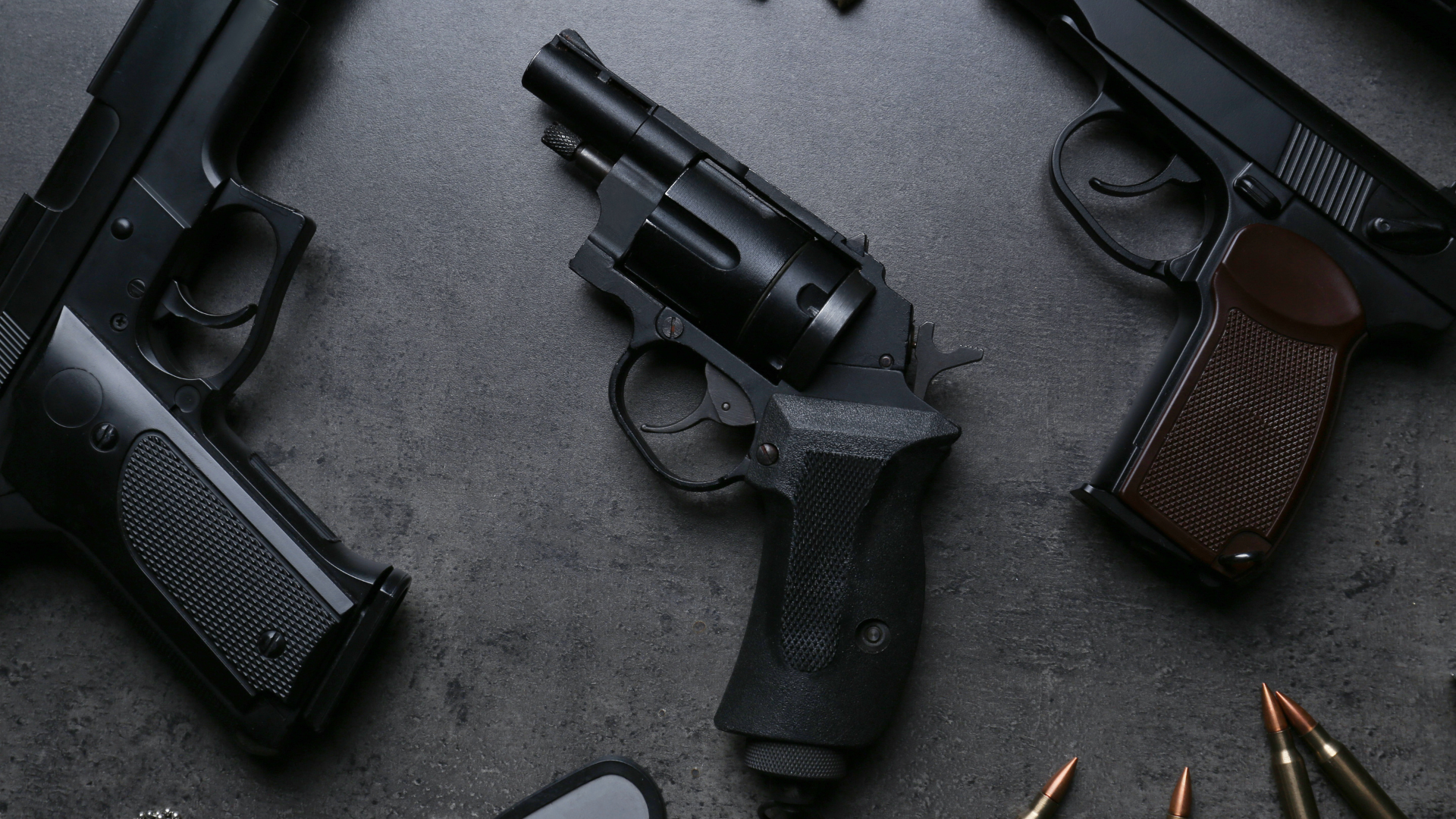
Earlier this month, the NYPD announced a conclusion to a yearlong investigation that led to multiple arrests and 21 weapons being seized, according to CBS New York. The bust, led by the NYPD, the Office of the Special Narcotics Prosecutor, and the Brooklyn District Attorney’s Office, targeted an alleged drug-and-gun trafficking ring operating in the Weeksville area of Crown Heights. In total, authorities executed court-authorized searches and undercover buys. The takedown included semi-automatic pistols, revolvers, and long guns. Officials described the bust as a demonstration of “precision policing,” aimed specifically at dismantling small but dangerous networks fueling violence, as opposed to sweeping arrests.
This high-profile operation also serves as a stark reminder of how aggressively New York prosecutes offenses involving firearms and alleged trafficking activity. Brooklyn weapons charges carry severe consequences, and individuals swept up in large-scale investigations may find themselves facing complex accusations that do not always reflect their actual level of involvement. As authorities continue to pursue these cases, anyone under investigation or already charged must understand the seriousness of the situation and the importance of mounting a strong legal defense. If you or someone you care about is confronting Brooklyn weapons charges, securing experienced counsel is essential. Our attorneys at Petrus Law have extensive experience defending clients against serious felony allegations and ensuring their rights are protected at every stage of the process. Call us at (646) 733-4711 to schedule a confidential consultation and get the guidance you need during this critical time
How Dedicated Attorneys Fight Brooklyn Weapons Charges
Facing Brooklyn weapons charges is serious, which is why our team at Petrus Law approaches these charges with a focused, methodical defense strategy designed to protect clients from the severe penalties these cases often carry. From the outset, we evaluate the circumstances of the arrest, the type of weapon involved, and the specific statutes the prosecution is relying on. Our team analyzes every detail, including police procedures, witness statements, and evidentiary issues. That way, we identify weaknesses in the allegations and opportunities to reduce or dismiss the charges.
We also work to challenge the prosecution’s claims regarding possession, classification of the weapon, and the intent they must prove for more serious offenses. Our attorneys understand how quickly these cases can escalate, and we use our experience to build defenses grounded in constitutional protections, factual investigation, and strategic advocacy. In many cases, this includes consulting experts, gathering independent evidence, and negotiating with prosecutors to secure favorable resolutions. When necessary, we are fully prepared to take a case to trial and present a strong, persuasive defense before a judge or jury. At every stage, our goal is to safeguard our clients’ rights and fight for the strongest possible outcome.
Understanding Brooklyn Weapons Charges and Their Consequences
Brooklyn weapons charges create serious legal risks that can affect every part of a person’s life. These cases often involve strict laws that leave little room for error during investigations. Many defendants feel overwhelmed because prosecutors may move quickly with significant allegations. Understanding how these charges work can help individuals make informed decisions. Early guidance can also protect important rights during fast-moving cases.
What Brooklyn Weapons Charges Typically Involve
Brooklyn weapons charges can arise from possession, alleged trafficking, or claims involving unlawful intent. Police may link defendants to weapons found during searches that they did not directly control. Prosecutors often rely on complex evidence that requires careful legal review. These charges may also increase in severity depending on the weapon type. Many people face felony exposure even in first-time cases.
How Police Build Cases in Brooklyn Weapons Investigations
Investigators may use surveillance, confidential sources, or undercover operations to support these allegations. Officers often gather evidence during searches that may raise constitutional questions. Some searches may exceed proper limits which allows legal challenges. Defendants may also face possession claims based on location rather than actual control. These investigation methods require careful analysis by a defense team.
Penalties Connected to Brooklyn Weapons Charges
The consequences of a conviction can include significant prison time depending on the charge level. Felony convictions also create long-term restrictions that affect employment opportunities. Many defendants face additional penalties related to probation and fines. A conviction may also harm immigration status for noncitizens. These outcomes show why early legal support is essential.
Long-Term Impact of Weapons Convictions in Brooklyn
Convictions may remain visible on a criminal record throughout a person’s life. This record may limit housing options for many individuals. Some careers may become inaccessible due to licensing restrictions. People may also struggle to access financial opportunities with a felony record. These long-term burdens make strong defense strategies critical.
Common Arrest Scenarios That Lead to Brooklyn Weapons Charges
Brooklyn weapons charges often begin with situations that escalate quickly during routine police encounters. Many arrests start with traffic stops where officers claim to observe suspicious behavior or contraband. Other cases arise when police respond to community complaints that lead to searches of vehicles, homes, or shared spaces. These situations frequently involve multiple people which creates confusion about who actually possessed the weapon. Understanding how these scenarios unfold can help defendants recognize potential defense issues early.
Traffic Stops That Result in Weapons-Related Arrests
Traffic stops are one of the most common ways police discover alleged weapons. Officers may claim they observed a violation that justified the stop which later leads to a search. Many drivers do not realize they can challenge the legality of these stops in court. Searches may expand when officers believe there is a threat which can create constitutional concerns. These encounters often produce evidence that requires careful review for possible suppression.
How Passenger Confusion Can Complicate These Cases
Passengers may face charges even when they did not know a weapon was present. Police may assume shared control when weapons are found in common areas of the vehicle. These assumptions often lead to possession claims based solely on proximity. Defendants can challenge these claims with evidence showing they lacked control. These cases show why legal analysis is essential.
Searches of Homes or Apartments in Brooklyn
Police may conduct home searches after receiving a warrant or responding to an emergency call. These searches sometimes reveal weapons that multiple people could access which complicates possession allegations. Officers may also seize items during searches that exceed the warrant scope. Defendants can challenge these searches when proper procedures were not followed. Home-related cases often involve evidence that demands strong legal scrutiny.
Shared Living Spaces and Constructive Possession Claims
Weapons found in shared housing may lead to broad possession accusations. Police sometimes assume any resident had control over the weapon. These assumptions overlook real-life living arrangements that limit access. Defendants can use documentation or witness accounts to counter these claims. Strong evidence can weaken constructive possession allegations significantly.
How Prosecutors Build Cases in Brooklyn Weapons Charges Investigations
Prosecutors handling Brooklyn weapons charges often begin by reviewing every detail collected during the initial police investigation. They examine statements from officers, records from surveillance or undercover operations, and any physical evidence recovered at the scene. Many cases also involve digital evidence such as phone data or social media activity that prosecutors claim supports their theory of possession or intent. These teams often move quickly as they build a narrative around the defendant’s alleged connection to the weapon. Understanding these methods can help defendants anticipate the strategies used against them.
Evidence Prosecutors Rely On To Strengthen Their Case
Prosecutors commonly rely on police reports that outline how officers discovered the weapon. They also use witness statements which may come from people under pressure or lacking clear recall. Physical evidence such as fingerprints, DNA, or recovered ammunition may be presented even when the connection to the defendant is weak. Many cases also involve photographs or video that prosecutors argue show constructive possession. Each piece of evidence requires careful review because inaccuracies can greatly affect the outcome.
How Prosecutors Use Constructive Possession To Support Charges
Constructive possession claims arise when prosecutors cannot show the defendant physically held the weapon. They argue the defendant had control or access based on location or association. These assumptions can create challenges for defendants who were simply present near others. Strong defense strategies focus on breaking these assumptions with facts. Understanding this tactic is important for anyone facing such allegations.
Building Intent and Trafficking Allegations
Prosecutors may attempt to show intent by examining statements, behavior, or circumstances surrounding the arrest. They may claim a defendant planned to use or sell the weapon without clear proof. Trafficking allegations often rely on patterns such as multiple weapons, digital messages, or association with others. These patterns can appear misleading without proper context. Detailed investigation can reveal weaknesses in each theory.
When Prosecutors Overstate Their Evidence
In some cases, prosecutors rely on assumptions rather than strong facts. They may interpret everyday objects or communications as proof of criminal intent. They sometimes base claims on unreliable statements from cooperating witnesses. Defendants can challenge these points with independent evidence or expert review. Strong defense work often exposes gaps that weaken the prosecution’s case considerably.
Defenses Skilled Attorneys Use to Challenge Brooklyn Weapons Charges
Defending Brooklyn weapons charges requires a detailed and systematic approach because these cases often involve multiple layers of evidence and intense scrutiny from prosecutors. Skilled attorneys begin by reviewing every moment of the police encounter to determine whether officers respected constitutional requirements throughout the investigation. Many defendants feel overwhelmed after an arrest, but an effective defense strategy can reveal procedural errors, weak assumptions, or unsupported allegations. These cases often involve complicated facts that do not clearly show possession or intent, which makes legal analysis especially important. Understanding the full range of defense strategies helps defendants appreciate how a dedicated legal team can protect their future.
Challenging Illegal Searches During Weapons Investigations
One of the most powerful defenses involves exposing flaws in the search that led to the weapon’s discovery. Police must follow strict rules during traffic stops, home entries, and personal searches, and any violation of these rules can undermine the prosecution’s evidence. Attorneys review recordings, reports, and witness accounts to identify whether officers had a lawful basis for each action taken. Even minor mistakes can lead to significant legal consequences that favor the defendant. Courts may exclude evidence when searches violate proper procedure, which can dramatically change the direction of a case.
When Officers Exceed Their Legal Authority
Officers sometimes go beyond what the law allows during weapons investigations which creates vulnerabilities in the prosecution’s case. They may search areas unrelated to the stated purpose of the stop or conduct searches without consent or probable cause. These errors can appear small to defendants but often carry major constitutional implications. Attorneys use these issues to challenge the reliability and legality of the evidence. Body camera footage and radio recordings often reveal mistakes that officers did not mention in their reports.
How Improper Police Justifications Can Lead To Suppressed Evidence
Police sometimes justify searches with vague claims such as suspicious movements or perceived threats. These justifications may not meet the legal standard required to perform a search. Attorneys scrutinize these explanations to determine whether they were appropriate under the circumstances. When prosecutors cannot defend the search, the evidence may become unusable. Suppression of evidence can lead to reduced charges or complete dismissal.
Attacking Constructive Possession Claims
Many Brooklyn weapons charges hinge on constructive possession rather than actual possession. Prosecutors rely on this theory when they cannot show that the defendant physically handled the weapon. Attorneys challenge these claims by demonstrating that the defendant lacked knowledge of the weapon or had no ability to control it. These defenses are especially important when the weapon is found in shared spaces such as vehicles, hallways, or multi-tenant apartments. A strong constructive possession defense can significantly weaken the prosecution’s case.
Proving Lack of Knowledge or Access
Attorneys present evidence showing the defendant’s limited access to the weapon or absence of awareness that it existed. Witness statements, physical barriers, or living arrangements often help demonstrate that the defendant could not control the weapon. These details clarify the difference between being present near an item and having actual control over it. Courts examine these arguments carefully because possession cannot be assumed. These defenses often create meaningful opportunities for acquittal.
Breaking Down Proximity-Based Assumptions
Prosecutors sometimes argue that proximity alone proves possession which is not legally sufficient. Attorneys highlight flaws in this reasoning by presenting alternative explanations for the defendant’s presence. They may demonstrate that multiple people had equal or greater access to the weapon. These arguments shift the burden back to the prosecution and often reduce the strength of their evidence. Clear explanations can dismantle proximity-based possession theories.
Disputing Intent or Trafficking Allegations
Weapons cases often include allegations of intent or trafficking that rely heavily on interpretation rather than clear proof. Prosecutors may point to digital communications, group associations, or patterns of behavior that they believe imply criminal activity. Attorneys challenge these assumptions by providing context and demonstrating that the evidence does not meet the required legal standard. Many intent claims collapse when examined closely because they rely on incomplete or misinterpreted information. This approach helps reduce exposure to enhanced penalties.
Reframing Evidence Used To Suggest Criminal Intent
Defense teams dissect every piece of evidence prosecutors use to claim the defendant had criminal intent. They review text messages, photographs, or conversations to show they reflect normal conduct rather than planning or coordination. Attorneys also challenge witness statements that may have changed over time or been influenced by outside pressure. This process reveals when prosecutors rely on speculation rather than facts. Strong factual analysis significantly weakens intent-based allegations.
Weakening Trafficking Allegations Through Contextual Evidence
Prosecutors may allege trafficking when multiple weapons or individuals are involved, even without strong proof of coordinated activity. Attorneys counter these claims by showing innocent explanations for the defendant’s behavior or associations. They may use employment records, communications, or witness testimony to clarify misunderstandings. These defenses help minimize the severity of the charges. Courts often view trafficking claims critically when evidence lacks clarity.
Presenting Mitigating Factors To Reduce Penalties
When dismissal is not possible, attorneys focus on mitigation to reduce penalties. They gather information about the defendant’s personal history, education, employment, and community contributions. This information helps demonstrate that the defendant does not pose a continued threat and deserves leniency. Many judges weigh these factors when deciding on sentencing outcomes. Effective mitigation can significantly reduce long-term consequences.
How Early Legal Representation Improves Outcomes
Hiring counsel early increases the number of defense strategies available. Attorneys can prevent mistakes during early interactions with police or prosecutors. They can preserve evidence that supports the defense and prevent harmful assumptions from shaping the case. Early communication with prosecutors may also influence charging decisions. Prompt action leads to stronger and more effective representation.
Key Rights to Remember When Facing Brooklyn Weapons Charges
Individuals facing Brooklyn weapons charges must understand their core legal rights because these rights directly influence the strength of their defense. Police and prosecutors may move quickly during the early stages of a case which creates confusion for many defendants. Knowing which protections apply can prevent damaging mistakes and help preserve important legal options. These rights exist to safeguard fairness and prevent authorities from overreaching during investigations. Proper understanding of these protections can make a significant difference in the final outcome.
Your Right To Remain Silent During Any Police Interaction
The right to remain silent protects defendants from making statements that prosecutors may use against them later. Defendants do not need to answer questions or explain their actions to police at any time. Remaining silent helps prevent misunderstandings or misinterpretations that can complicate a case. Attorneys encourage clients to invoke this right clearly when confronted by officers. Early silence often prevents avoidable legal challenges.
Avoiding Statements That Can Strengthen the Prosecution
Defendants may feel pressured to speak during arrests or questioning which can lead to harmful comments. Police may interpret normal behavior or nervous statements as signs of guilt. Prosecutors can use these statements to build possession or intent theories even when they lack strong evidence. Staying silent avoids these risks entirely. Defendants should request an attorney immediately before answering any questions.
Your Right To Refuse Unlawful Searches
Defendants have the right to refuse searches that lack proper legal justification. Police must have consent, probable cause, or a valid warrant to conduct most searches. When officers exceed these limits, any evidence they find may become unusable in court. Understanding this right helps defendants avoid consenting to unnecessary searches. Exercising this protection preserves stronger defense opportunities.
Recognizing When Police Actions Violate Search Rules
Police may claim authority to search without clearly explaining the legal basis for their actions. Defendants often do not realize they can contest these claims during or after the encounter. Attorneys examine these situations to determine whether the search followed proper legal standards. If officers acted improperly, evidence may be suppressed. Suppression greatly weakens the prosecution’s case.
Your Right To Legal Representation At Every Stage
Every defendant has the right to an attorney during questioning, court hearings, and all stages of the legal process. Legal representation ensures that defendants understand their rights and avoid missteps that prosecutors could exploit. Attorneys provide essential protection against aggressive police tactics and unclear allegations. This right also ensures that no defendant faces the legal system alone. Seeking counsel early strengthens all other defense strategies.
How Attorneys Use This Right To Strengthen Your Case
Attorneys guide defendants through each decision which reduces confusion and prevents costly mistakes. They challenge evidence, file motions, and communicate with prosecutors to protect the defendant’s position. Their presence during questioning stops police from using tactics that create unfair pressure. This support improves outcomes by ensuring the defendant’s rights remain secure throughout the case.
Your Right To Challenge Evidence Presented Against You
Defendants can challenge any evidence the prosecution introduces. This includes questioning how it was obtained, whether it is reliable, and whether it accurately reflects the truth. Attorneys review each item closely to identify errors or inconsistencies. This process is essential in cases involving constructive possession or intent theories. Challenging evidence may lead to dismissal or reduced charges.
When Evidence Fails To Meet Legal Standards
Some evidence appears strong at first but weakens under detailed examination. Officers may have collected it improperly or failed to maintain proper handling procedures. Witnesses may offer unreliable statements or lack credibility. Attorneys use these issues to argue that the evidence does not meet legal standards. These arguments often reshape the direction of a case.

Why Early Legal Representation Matters in Brooklyn Weapons Charges Cases
Early legal representation plays a critical role in Brooklyn weapons charges cases because these investigations often begin moving quickly before defendants understand their rights. Prosecutors and police may gather statements, examine digital records, and secure physical evidence within hours of an arrest. Defendants who wait to contact an attorney may lose important opportunities to challenge early procedures or stop improper questioning. Early guidance also helps prevent mistakes that could harm the defense later. Timely legal support protects rights and strengthens the foundation of the overall strategy.
How Attorneys Influence the Earliest Stages of a Weapons Case
Attorneys can intervene immediately to guide communication with police and prosecutors. They help defendants avoid statements that may be misinterpreted or used unfairly. Lawyers also assess the initial evidence to determine whether constitutional concerns exist. Early review allows the defense team to identify improper searches, flawed warrants, or unsupported allegations. These steps help control the direction of the case before charges become finalized.
Preventing Harmful Statements During Police Encounters
Many defendants unknowingly provide information that complicates their defense during early questioning. Stress and confusion can cause people to speak without understanding the consequences. Attorneys ensure defendants avoid statements that prosecutors may use to imply intent or possession. This early protection prevents errors that cannot be undone later. Strong communication guidance helps safeguard important rights.
Protecting Evidence Before It Is Lost or Altered
Evidence can change quickly after a weapons-related arrest which creates risks for the defense. Surveillance footage may be overwritten, witness memories may fade, and physical evidence may be mishandled. Attorneys act quickly to preserve helpful materials that support the defendant’s version of events. Preservation efforts strengthen the defense and provide crucial clarity for later arguments. This early work often affects outcomes significantly.
Securing Witness Accounts and Supporting Records
Witnesses may forget details if too much time passes after the incident. Attorneys contact witnesses early to document information that may benefit the defense. They also collect records such as phone data, employment logs, or location evidence. These materials help counter assumptions that prosecutors may attempt to build into their narrative. Prompt collection increases the reliability of the defense evidence.
Influencing Charging Decisions Before They Are Final
Prosecutors often make charging decisions within a short window of time. Attorneys who intervene early can provide information that may reduce or limit the charges filed. They may highlight weaknesses in the evidence or offer mitigating details about the defendant’s background. These discussions can shape the case significantly before it reaches court. Early legal action often prevents harsher charges from being pursued.
Negotiating With Prosecutors During the Initial Case Review
Prosecutors may reconsider charges when attorneys present strong or clarifying evidence early. Lawyers can explain why certain allegations lack support or why possession theories are weak. These early negotiations can affect bail decisions, charge severity, and long-term exposure. When attorneys engage at the beginning, defendants have more opportunities to influence the case outcome.
Contact an Experienced Brooklyn Criminal Defense Attorney for Weapons Charges
Facing Brooklyn weapons charges can be an overwhelming experience. Investigations of this scale often involve sweeping operations, undercover activity, and complex evidence that can leave individuals unsure of their rights or their legal options. An experienced Brooklyn weapons charges attorney can help them better understand the specific charges filed, evaluate the strength of the evidence, and identify procedural or constitutional issues that may provide powerful grounds for defense.
If you or someone close to you has been caught up in a similar investigation or now faces charges connected to alleged firearm possession or trafficking, it’s crucial to speak with a knowledgeable defense attorney as early as possible. At Petrus Law, we guide clients through every step of the process, from the first conversation with investigators to negotiations in court. We ensure that their rights are protected and that no detail is overlooked. With severe penalties on the line, including lengthy prison terms, taking immediate action is essential. Reach out to our team today at (646) 733-4711 or contact us online to discuss your case in a confidential consultation and get the dedicated representation you deserve.